Overview
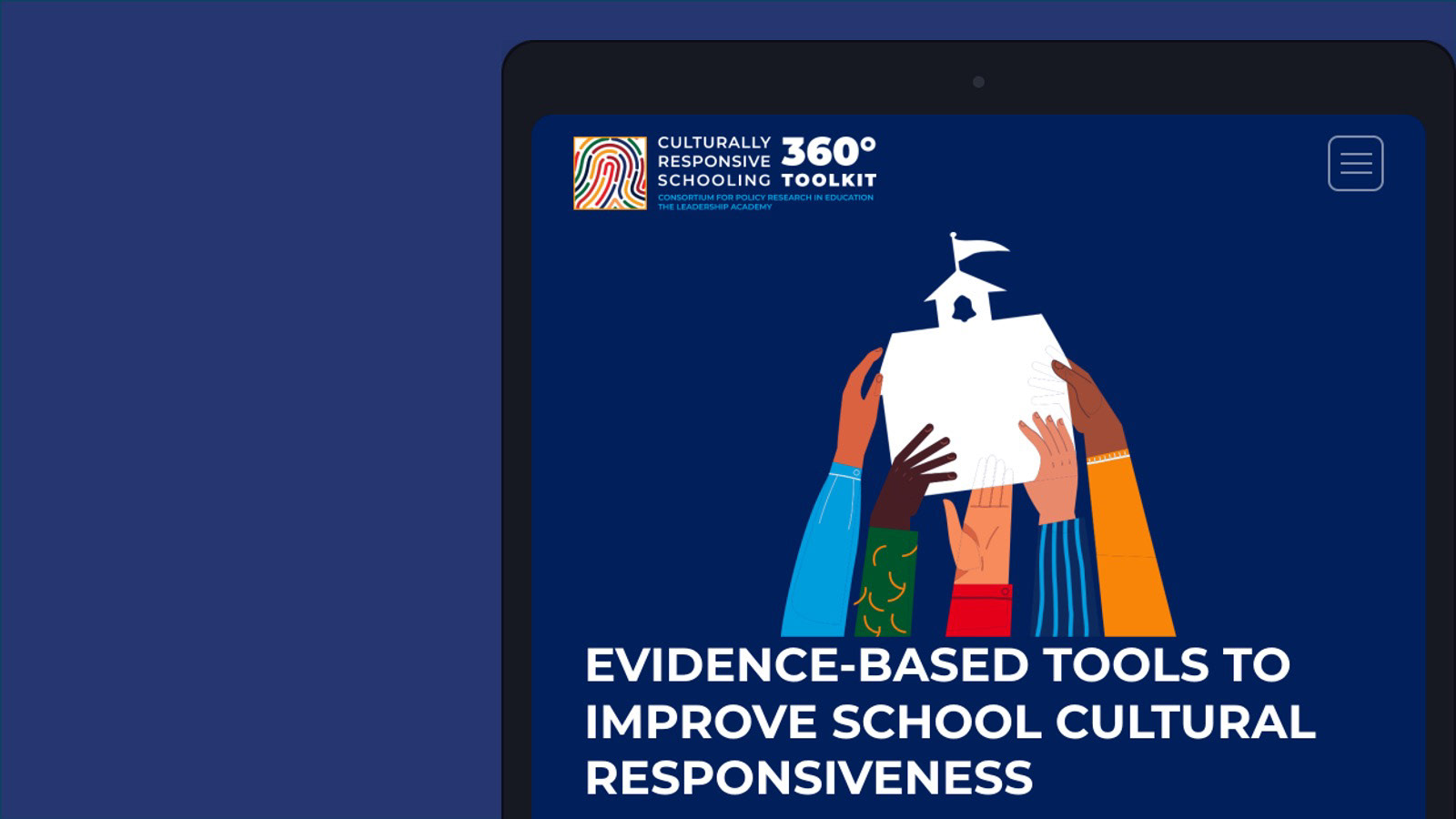
The CRS 360° Toolkit is a digital platform designed to help educators implement culturally responsive schooling (CRS) practices through actionable tools, self-assessment frameworks, and real-world examples.
My Role
As lead designer & communications strategist, I led the end-to-end design and content strategy for the platform—transforming complex academic research into an intuitive, user-centered digital experience.
– UX strategy & information architecture
– Content strategy & narrative design
– Visual design & brand system (project logo, UPenn branding, design system)
– Stakeholder collaboration (researchers, educators, partners)
– Product development from concept → launch
The Problem
The Consortium for Policy Research in Education (CPRE) and The Leadership Academy needed a way to translate the research and principles of culturally responsive schooling (CRS) found through their study (Institute of Education Sciences, U.S. Department of Education, Grant R305T210087) into a practical, accessible, and actionable digital resource for educators, school leaders, and school districts.
Despite growing emphasis on equity in education, educators faced critical challenges:
– Research on culturally responsive practices is fragmented and academic
– Implementation guidance is often abstract or inaccessible
– Schools lack tools for measuring progress over time
– Professional development is typically one-time, not sustained
– Create a tool that bridges research and practice in a way that is usable, scalable, and grounded in real educator workflows.
Goals
– Translate CRS research into clear, actionable guidance
– Support ongoing reflection and continuous improvement
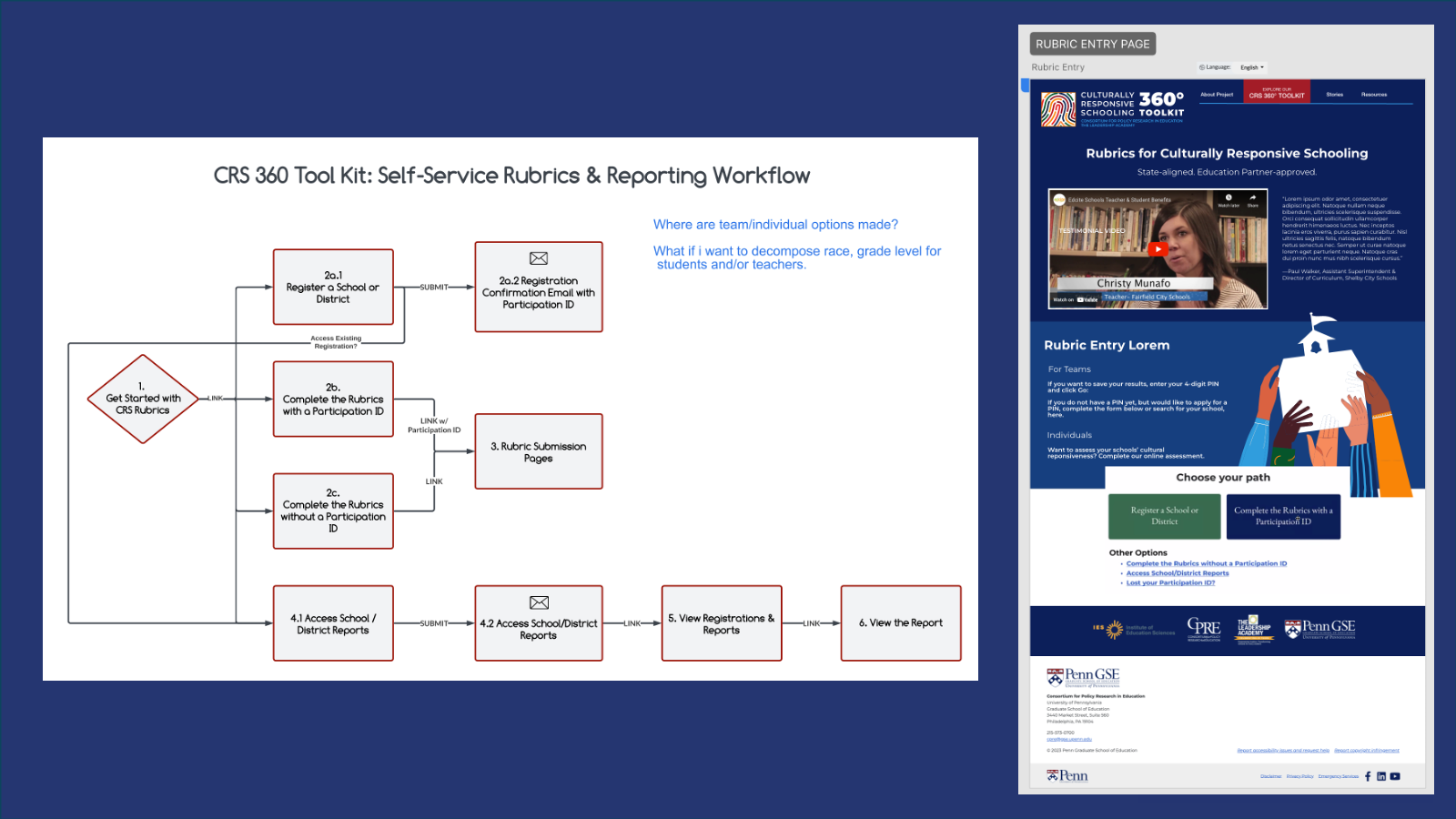
– Provide tools for self-assessment and team alignment
– Elevate educator voice and lived experience
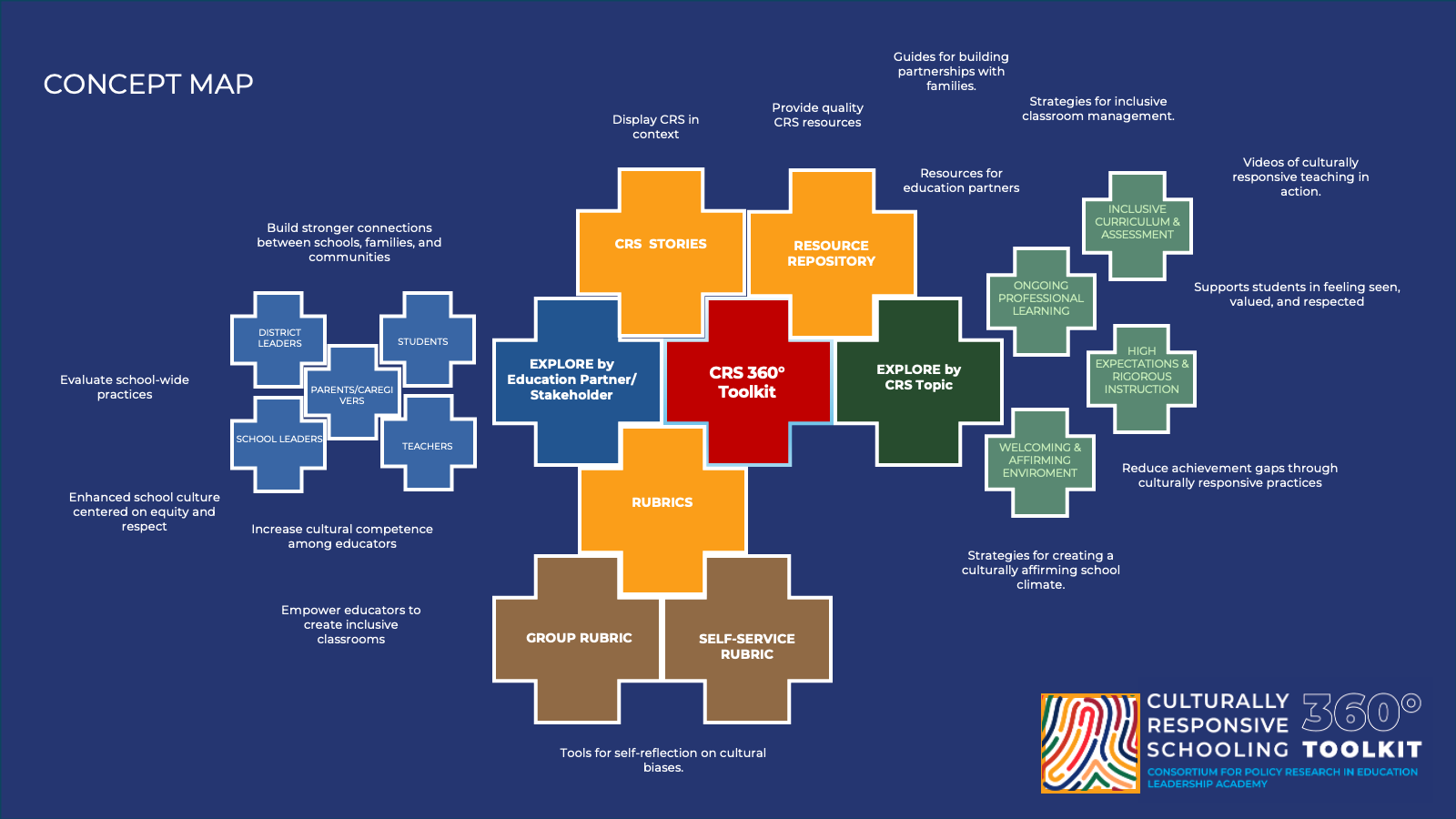
– Create a shared framework across roles (teachers, leaders, systems)
Users
– Primary users included:
– Teachers → need practical classroom strategies
– School leaders → need frameworks for evaluation and planning
– District leaders → need scalable, system-level alignment
– Parents & Students → need translated materials in other languages
Process
1. Research Translation
– Synthesized dense academic research into core domains and principles
– Identified what is actionable vs. conceptual
(Teams: Research & Development, Project Management, and Graduate Assistants)
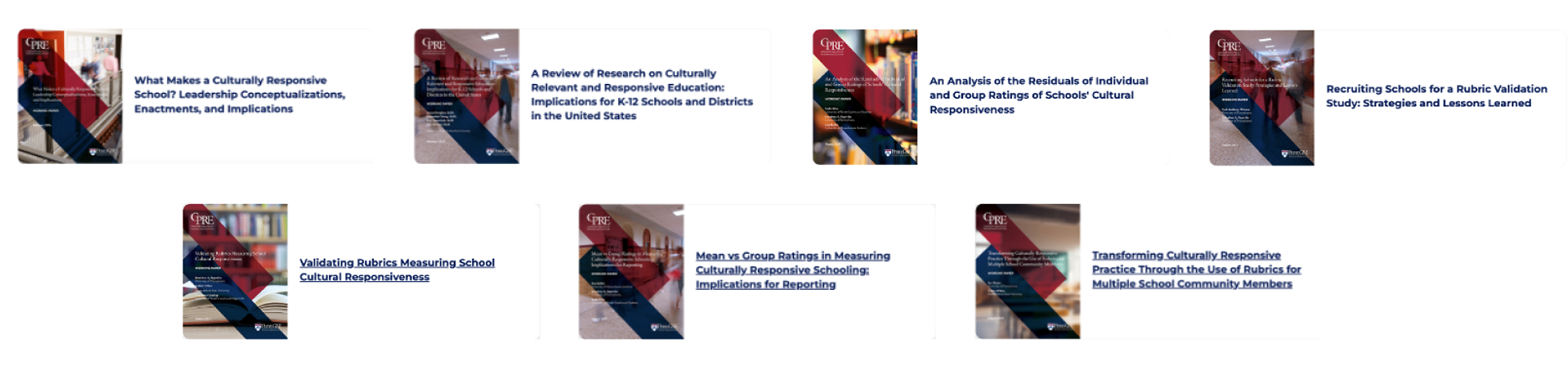
Publications Link: https://crs360toolkit.org/funding-team-publications
2. Information Architecture
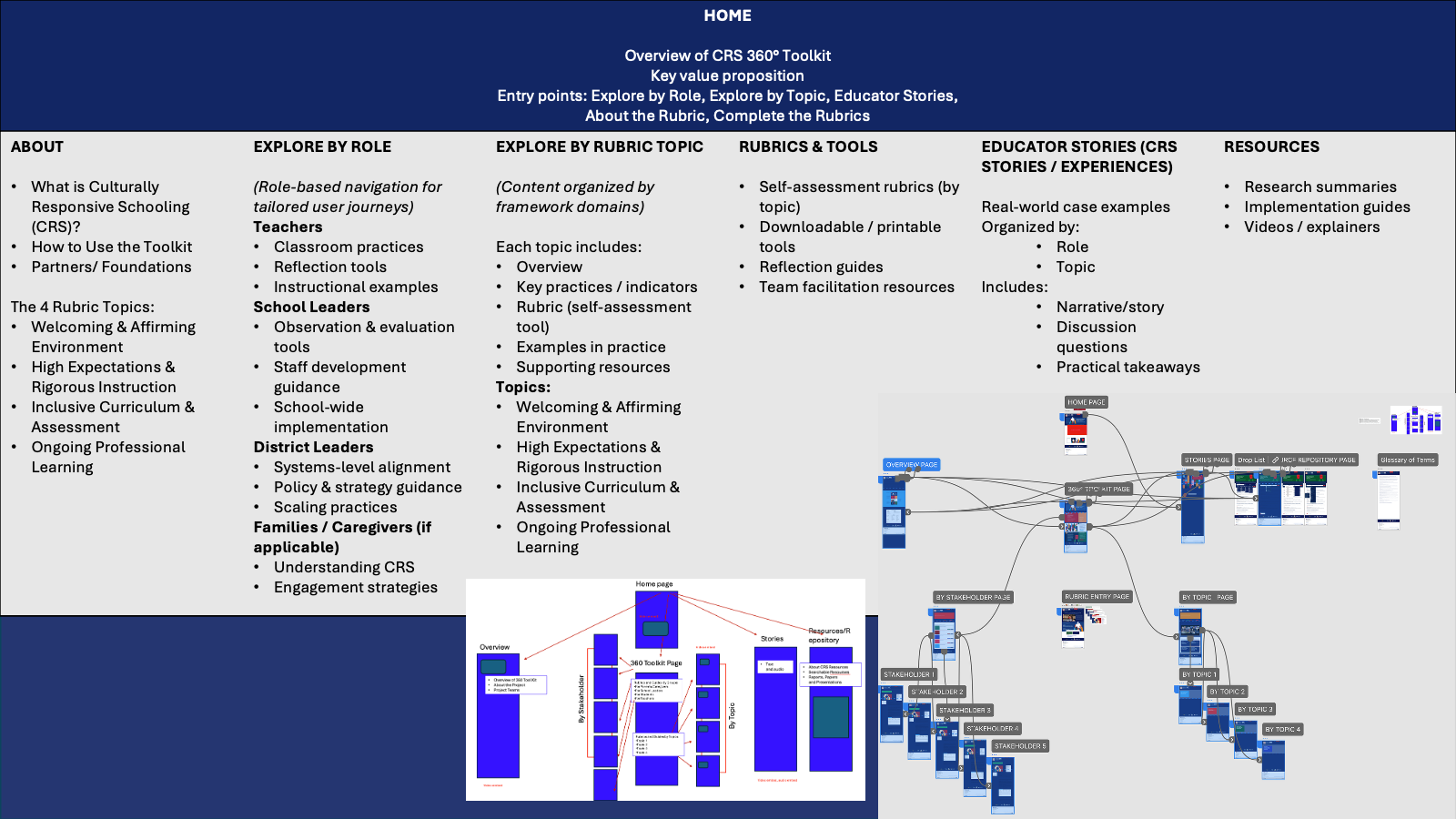
– Designed a structure that moves from understanding → application → reflection:
– Framework overview
– Domain-based navigation
– Rubrics and indicators
– Educator stories and examples
Focus: reduce cognitive overload while maintaining depth (add audio or video breaks)
(Teams: Communications, Website)