Cost of Care in Pennsylvania Study
The Cost of Care in PA study sought to understand the true cost of providing quality child care in Pennsylvania. The survey was designed to gather provider-level information on funding, operating expenses, staffing, and implementation challenges to inform policy and practice related to early childhood care and education.
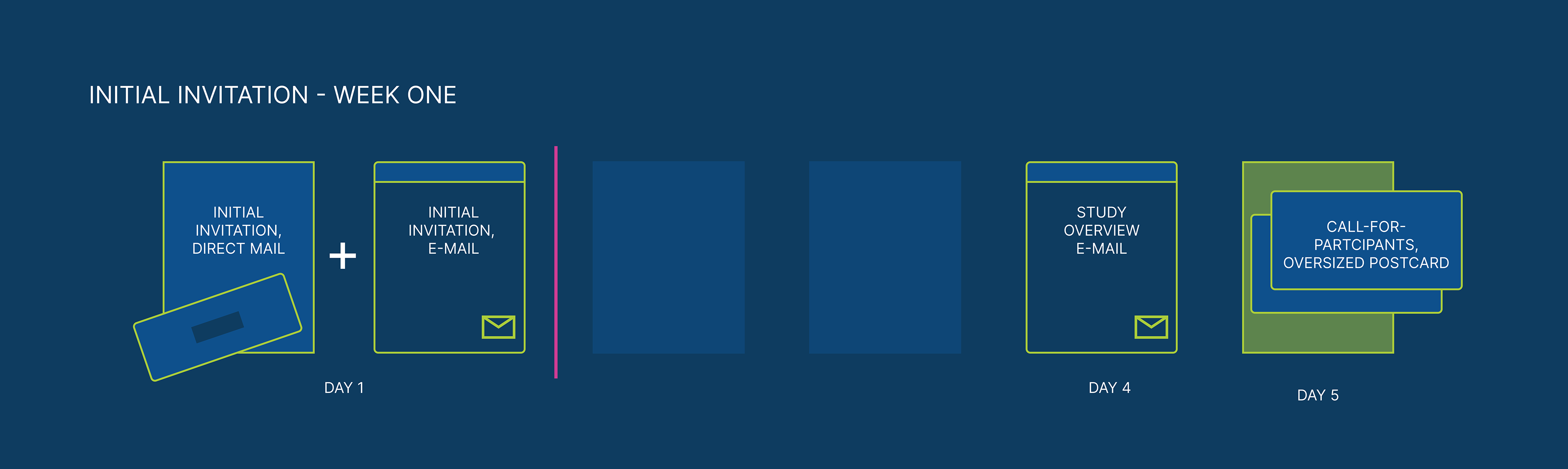
To support participation in the Cost of Care in Pennsylvania Study, a strategic email drip campaign was developed to engage child care providers and encourage survey completion. The campaign translated complex research goals into clear, participant-centered messaging that emphasized the importance of provider voices in shaping future child care policy and funding decisions.
Campaign Strategy
The participant outreach campaign used a multi-channel recruitment approach to maximize survey participation and reach a diverse range of child care providers across Pennsylvania. Messaging emphasized the importance of provider voices in shaping a more accurate understanding of child care financing and sustainability in the Commonwealth.
To encourage participation and recognize the time commitment required to complete the survey, a monetary incentive was offered to all eligible respondents who completed the survey.
Email Drip Campaign
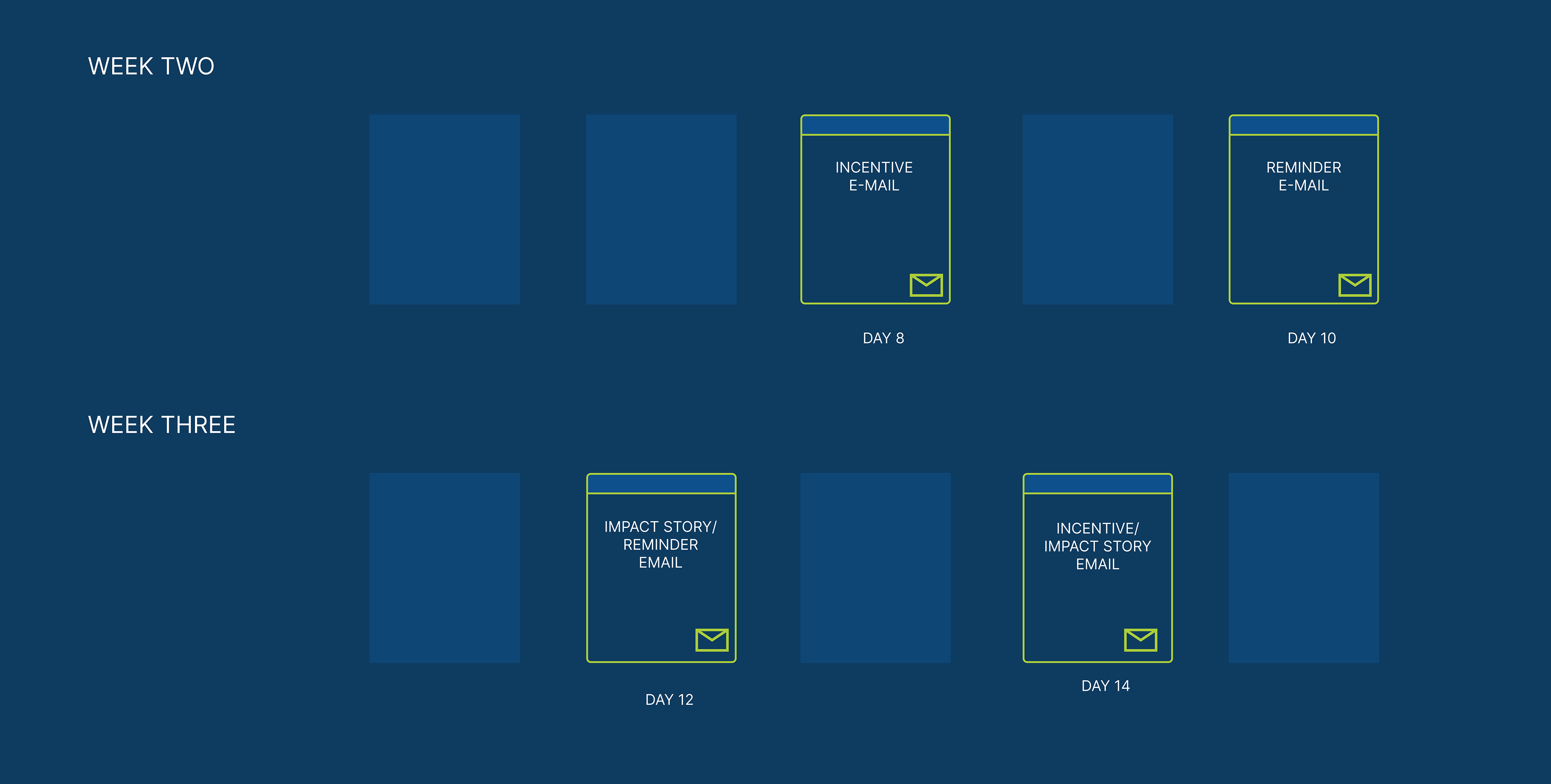
Invitation Email: Introduced the study purpose, survey importance, estimated completion time, incentive information, and participation link.
First Reminder: Reinforced the value of provider input and reminded participants of the incentive available upon survey completion.
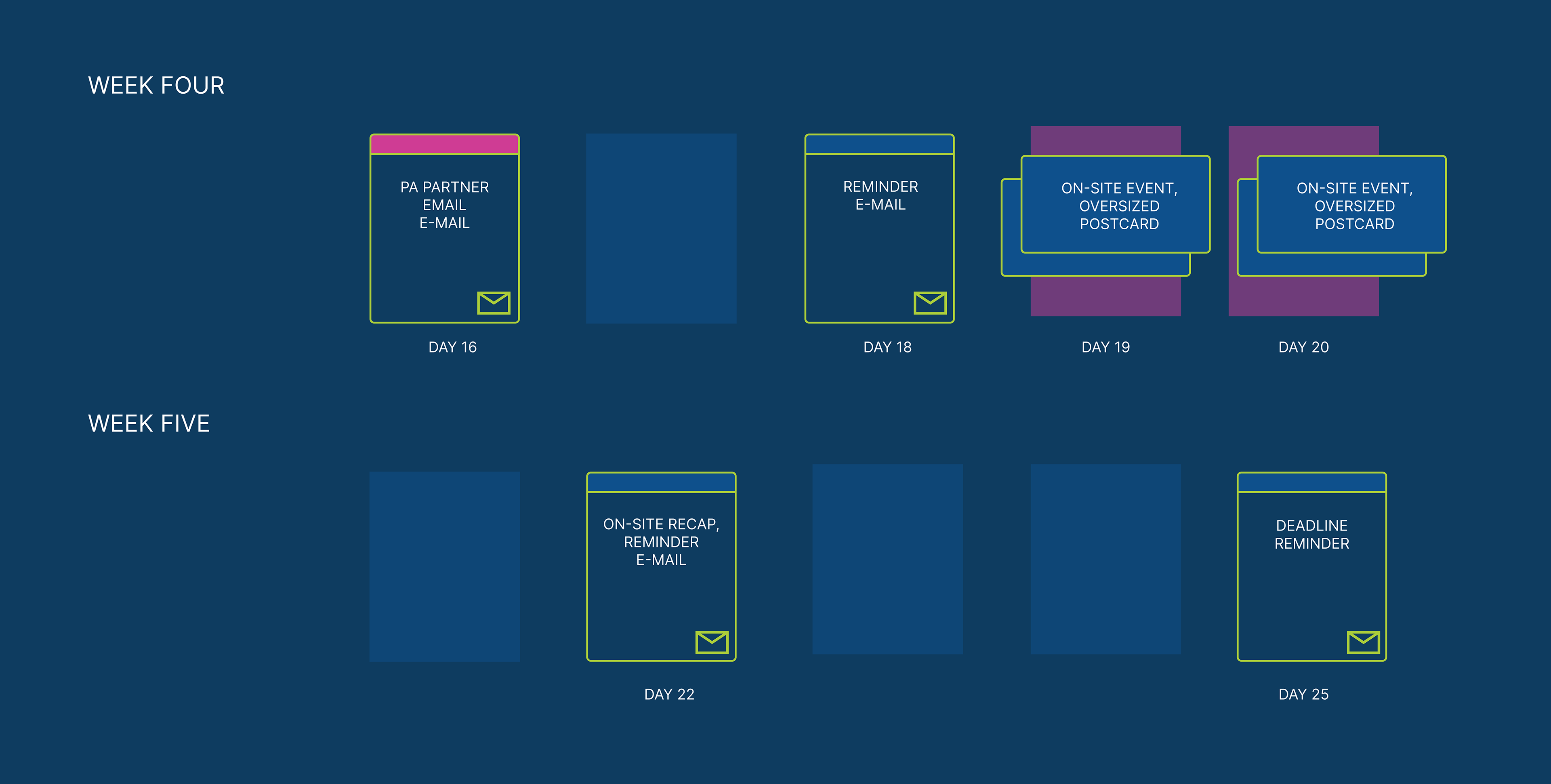
Mid-Campaign Reminders: Shared a brief progress update, highlighted the impact of participation, and encouraged providers who had not yet completed the survey to take part.
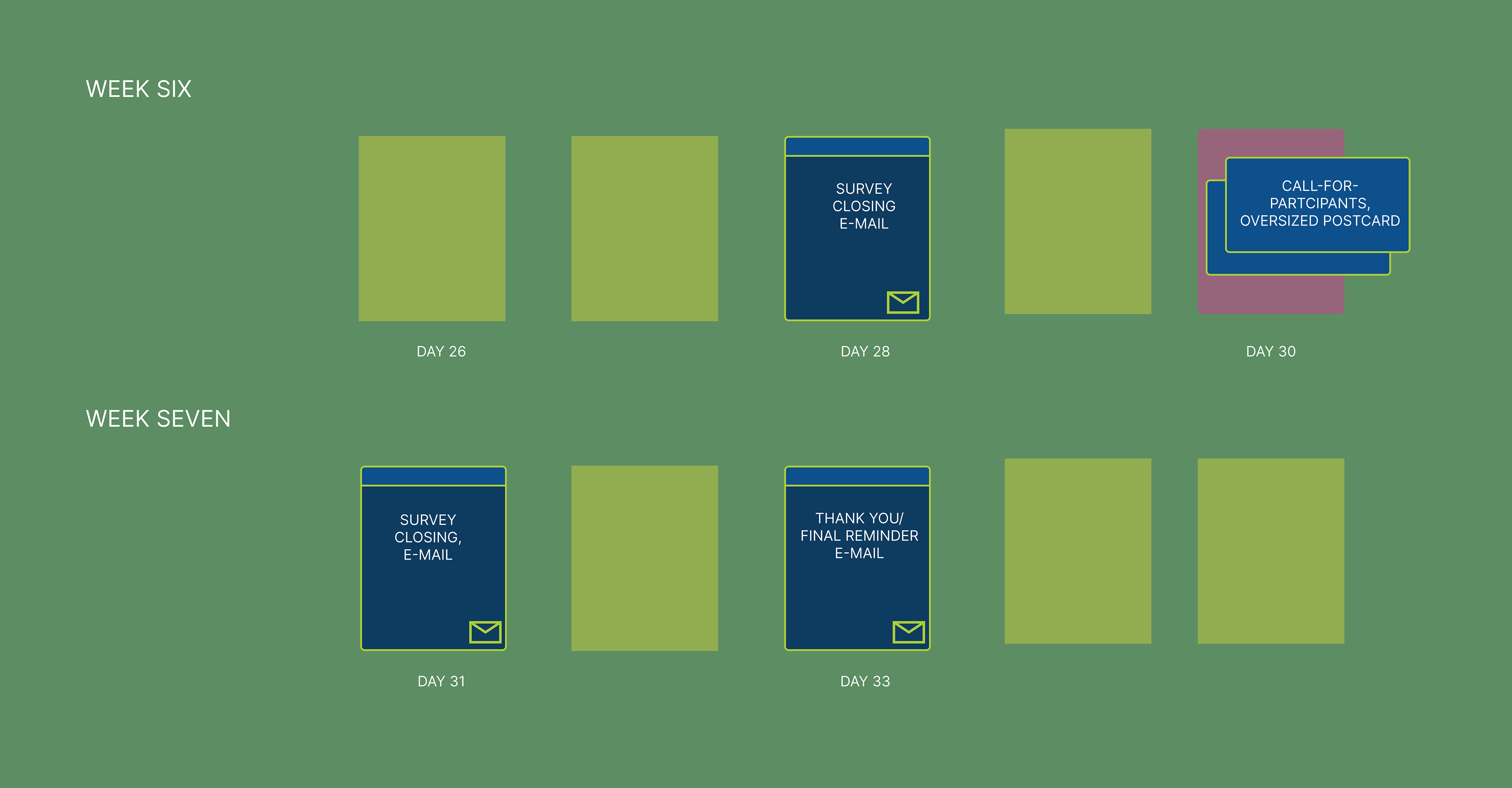
Final Reminders: Communicated the approaching survey deadline and emphasized both the importance of broad representation and the opportunity to receive the participation incentive.
Thank-You Message: Acknowledged participants’ contributions, provided information about incentive distribution, and explained how findings would support future policy and funding discussions.
Direct Mail Campaign
To extend outreach beyond digital channels and increase visibility among providers, three direct mail pieces were distributed statewide:
– Official Study Introduction Letter co-branded by the University of Pennsylvania and the Consortium for Policy Research in Education (CPRE), introducing the study, its goals, and the importance of participation.
– Email from partner, Pennsylvania Office of Child Development and Early Learning (OCDEL), encouraging early learning providers/members to participate in study.
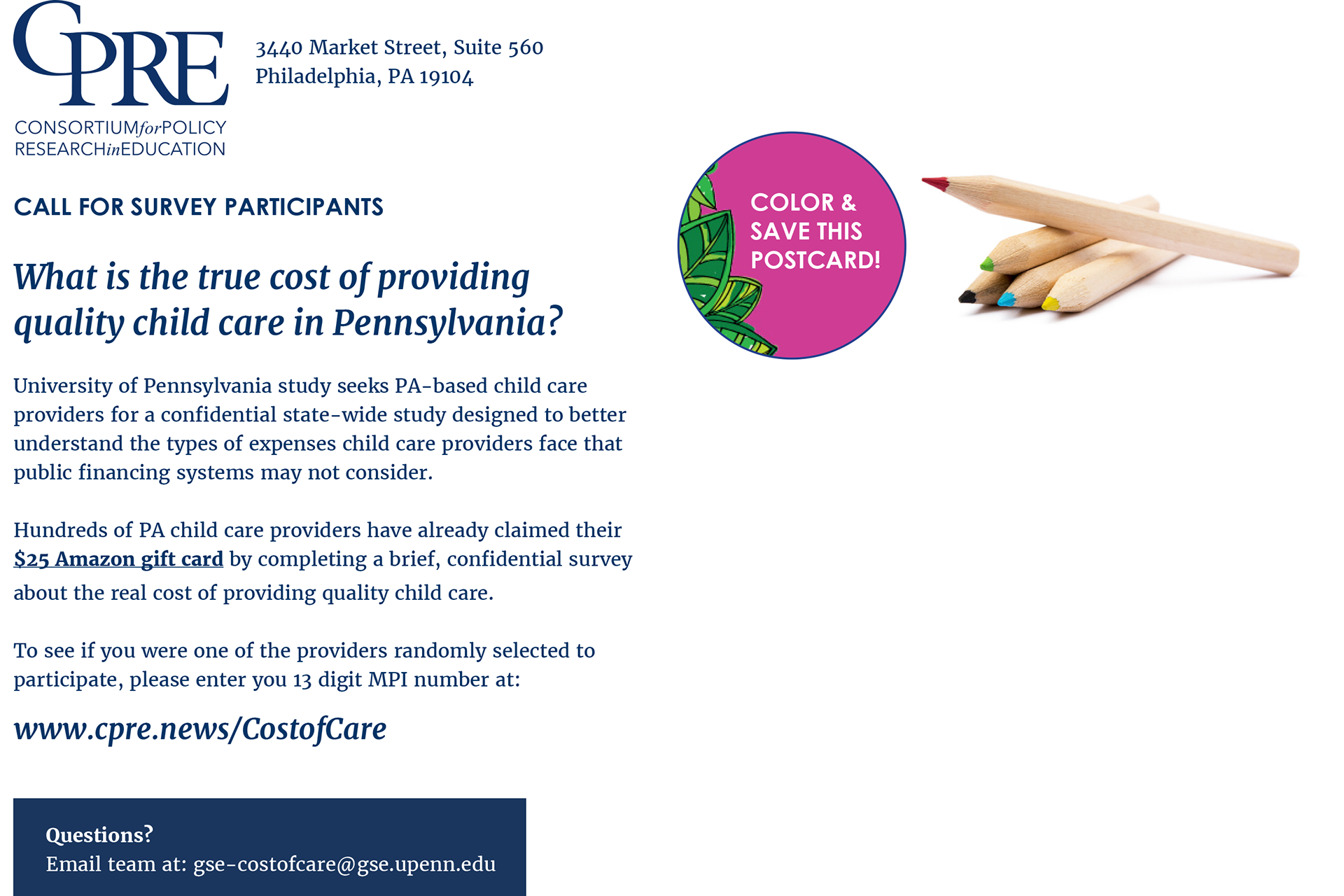
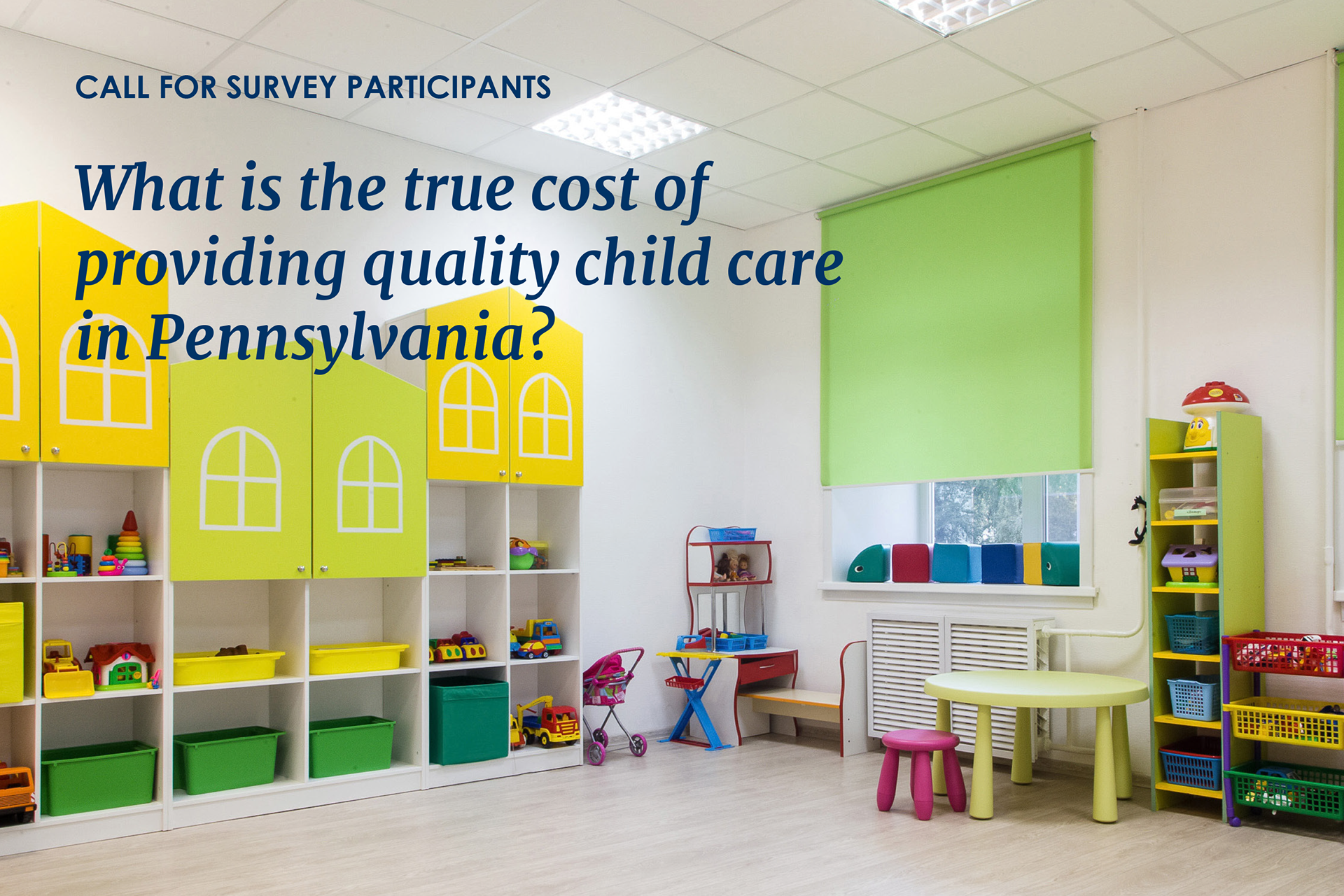
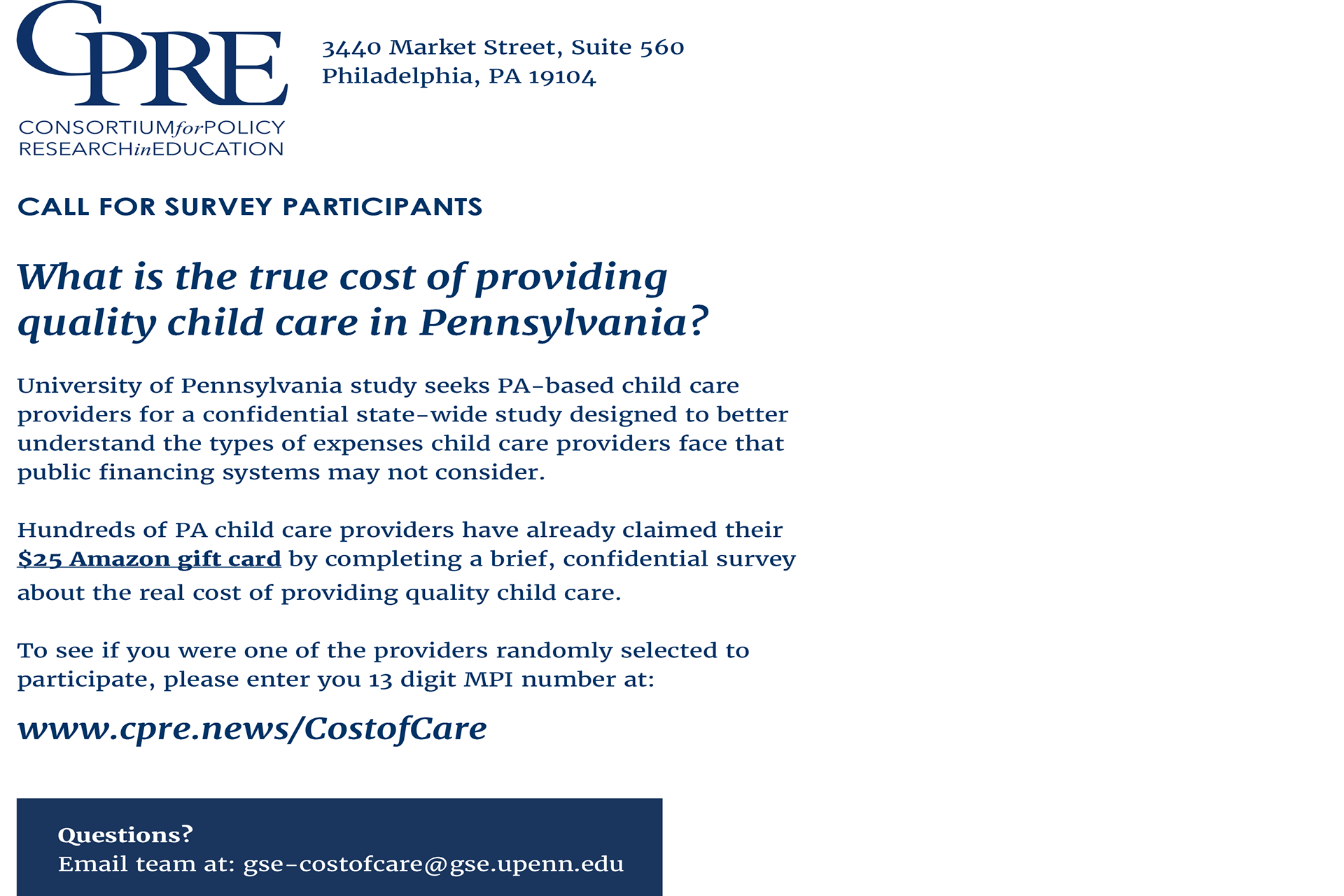
– Call-to-Action Oversized Postcard #1 highlighting the survey opportunity, participation incentive, and survey access information.
– Call-to-Action Oversized Postcard #2 serving as a follow-up reminder, reinforcing the value of provider participation and encouraging survey completion before the deadline.
In-Person Recruitment
The research team also participated in a statewide early childhood convening in Harrisburg, where they promoted the study directly to providers and stakeholders. This face-to-face engagement provided an opportunity to answer questions, build trust, raise awareness of the research, and encourage participation among child care leaders from across Pennsylvania.
Key Messages
– The study offers an opportunity to document the real costs of delivering high-quality child care.
– Provider participation is essential to understanding funding gaps, operational realities, and implementation challenges.
– Findings will help foster deeper state-level conversations about policies and practices affecting families with young children and the child care sector as a whole.
– Responses will contribute to evidence-based recommendations for adequately financing quality child care in Pennsylvania.
– Participants who completed the survey would receive a monetary incentive as a thank-you for their time and expertise.Messages were concise, respectful, and action-oriented.
The campaign used clear subject lines, a prominent survey link, and consistent branding. Reminders balanced the importance of the research with the availability of the monetary incentive, helping motivate participation while maintaining trust and engagement among providers.
Survey Response Rate
To achieve a statistically reliable response rate, the study aimed to secure participation from at least 70% of the target audience. To surpass this benchmark, the Cost of Care outreach campaign was extended by an additional two weeks, resulting in participation rates that exceeded the 70% quota.
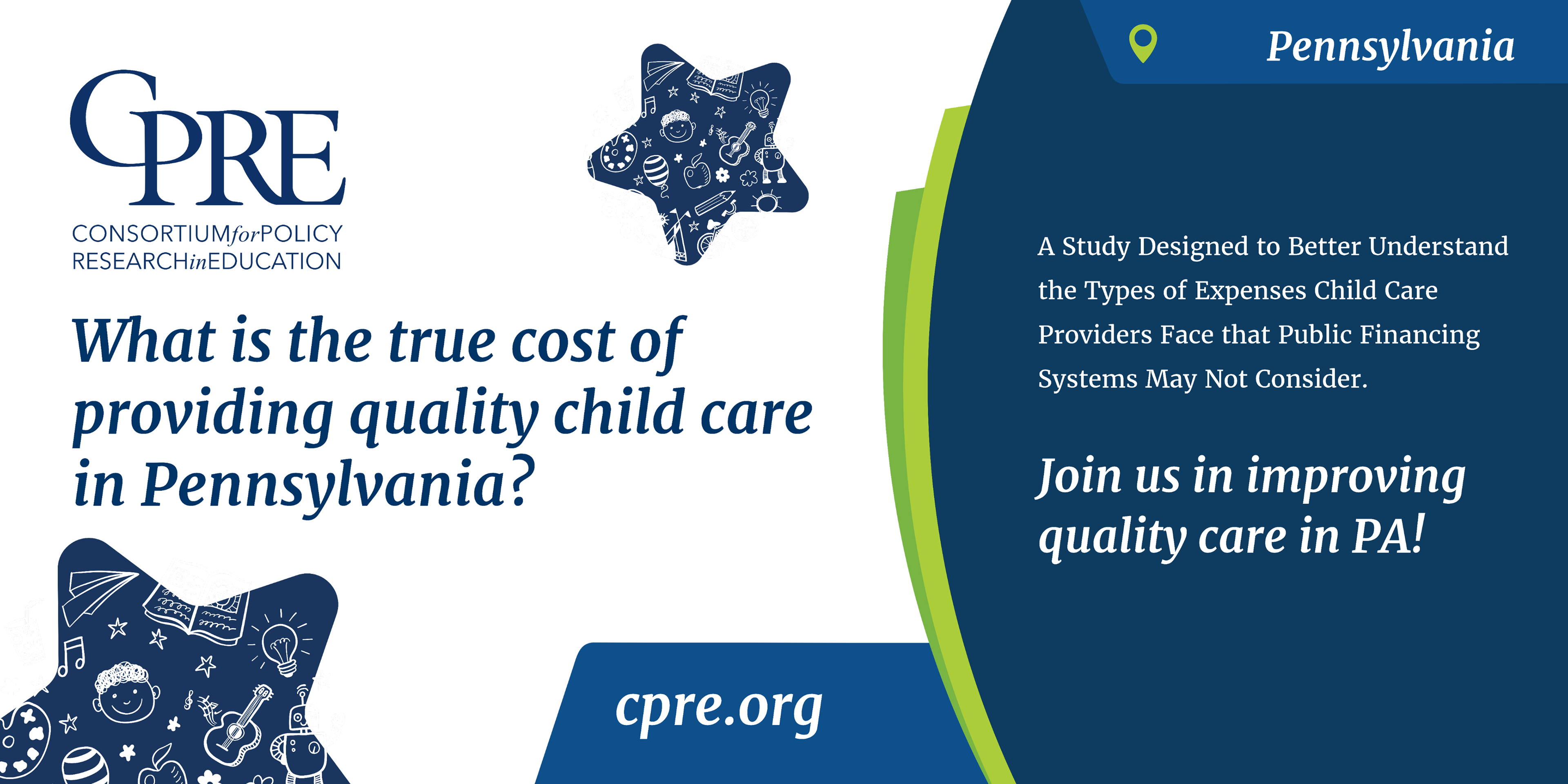
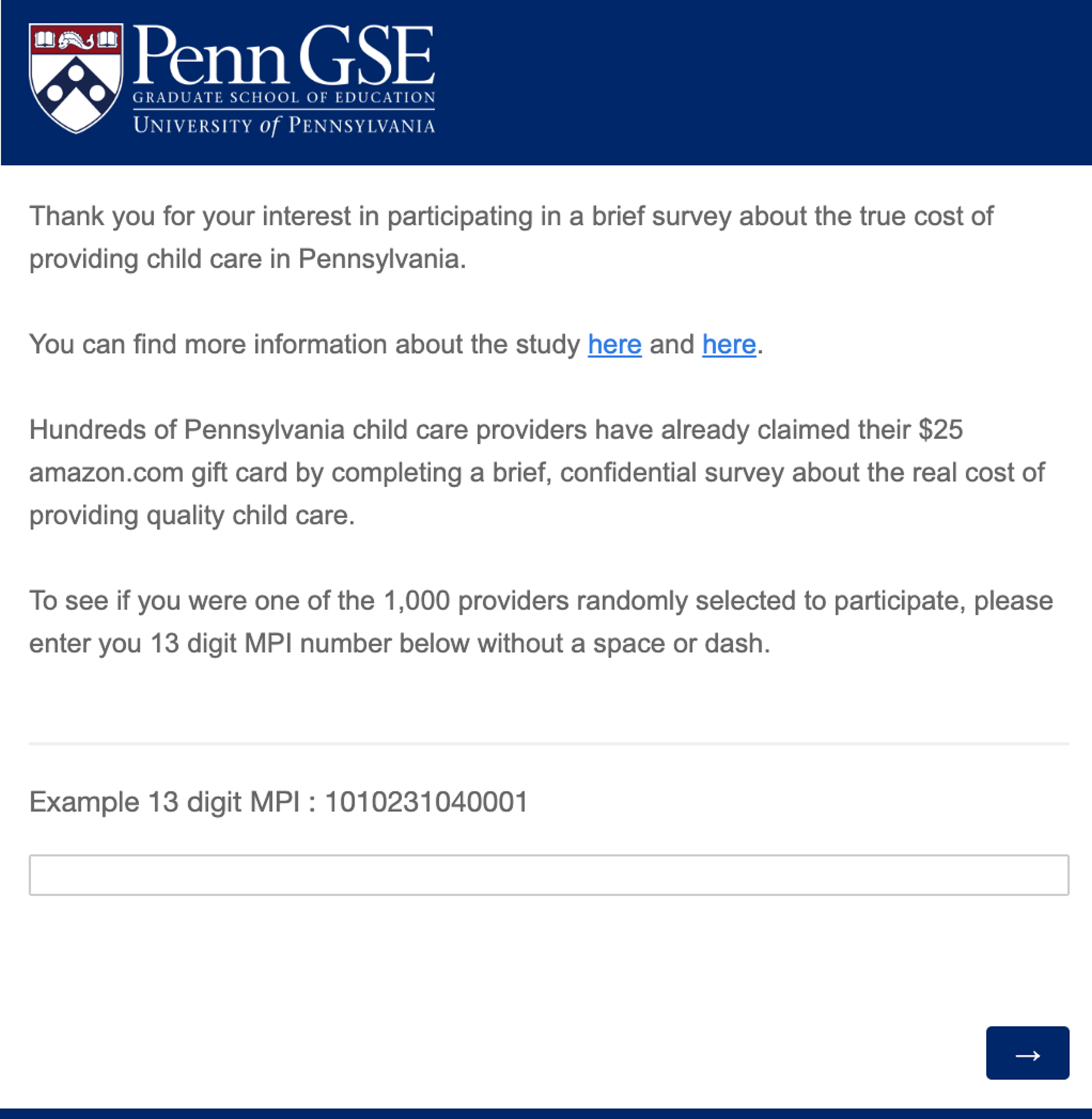
Images: E-mail header for survey (left); Survey portal (right). Click image to enlarge.
Images: Front and back of Cost of Care postcards. Click image to enlarge.

<!-- Google tag (gtag.js) --> <script async src="https://www.googletagmanager.com/gtag/js?id=G-LSLZJ6ZR5D"></script> <script> window.dataLayer = window.dataLayer || []; function gtag(){dataLayer.push(arguments);} gtag('js', new Date()); gtag('config', 'G-LSLZJ6ZR5D'); </script>